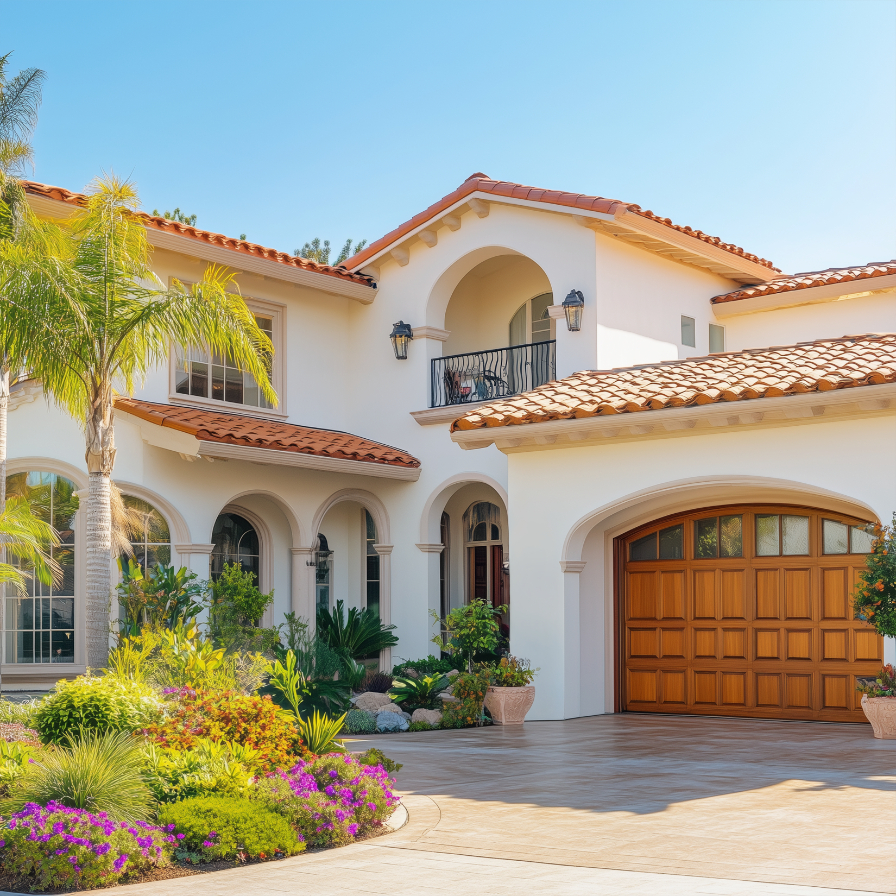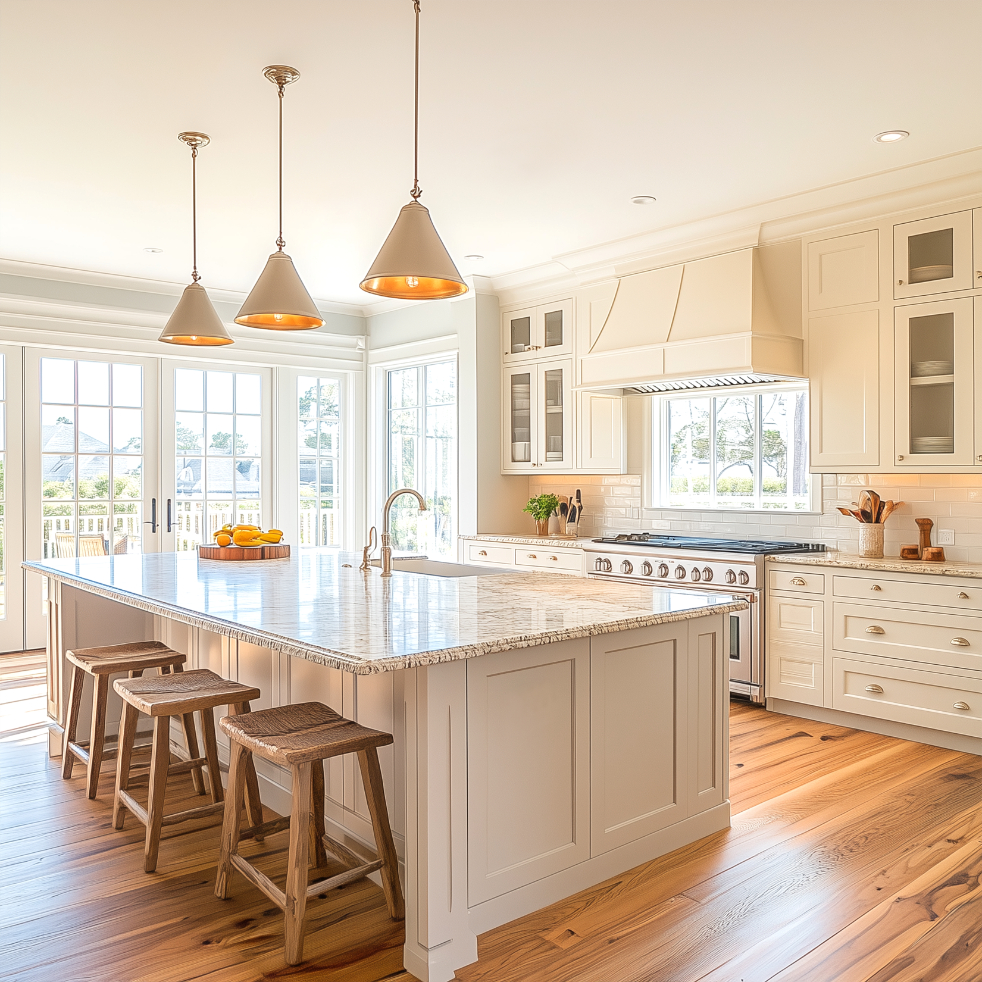

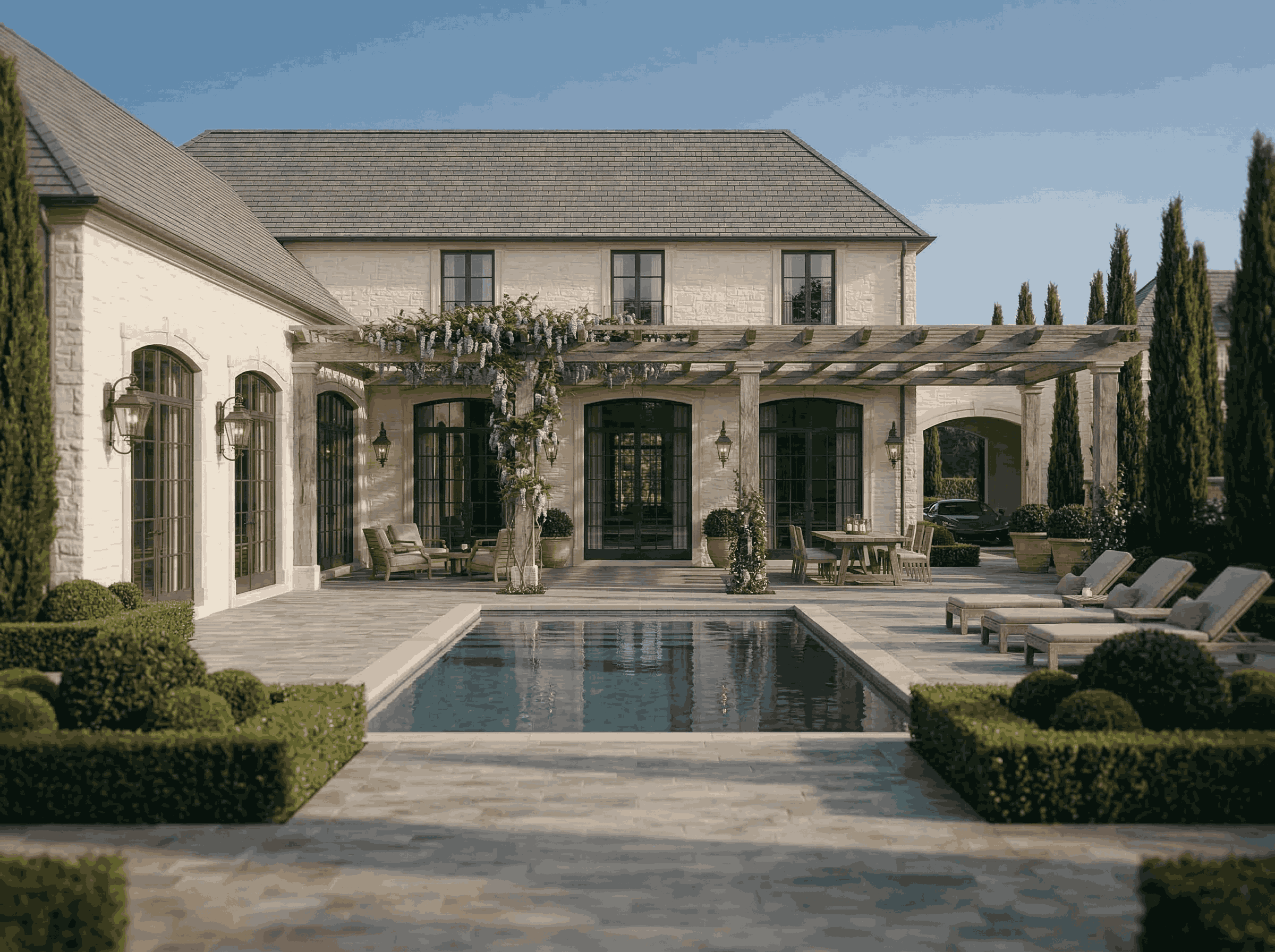
The phrase ADU gets used constantly in Portland real estate conversations right now , and for good reason. Accessory dwelling units have become one of the most talked-about topics in the city’s housing market, driven by favorable zoning, rising rental demand, and the genuine financial potential they represent for Portland homeowners.
Portland has some of the most ADU-friendly zoning regulations in the United States. The city has actively worked to lower permitting barriers and encourage ADU development as part of its broader response to housing demand. A well-planned, well-built ADU can generate meaningful rental income, add significant appraised value to your property, and fundamentally change how your household uses and benefits from the land you already own.
But the ADU conversation is also full of oversimplification. “Build a backyard cottage and retire on rental income” is a compelling idea. It is not a financial plan. And without accurate information about costs, permits, timelines, and realistic returns, it can lead homeowners into projects that do not deliver what they expected.
This guide gives you the actual picture , 2026 costs, how the Portland permit process works, what the timeline looks like, and an honest assessment of whether an ADU makes financial sense for your property.
What Counts as an ADU in Portland?
An ADU is a self-contained residential dwelling unit located on the same lot as a primary single-family residence. In Portland, there are three recognized types.
Detached ADU
A freestanding structure that is completely separate from the main house , what most people picture when they think of a backyard cottage or a converted garage. Typically the most expensive ADU type to build but also the most flexible and often the most valuable in terms of rental income and appraised value.
Attached ADU
An addition to the existing home that functions as a separate, self-contained living unit , its own entrance, kitchen, bathroom, and living area, but physically connected to the primary structure. Often a good option for homeowners who want to add multi-generational living space.
Interior ADU , Conversion
Converting existing interior space , an unfinished basement, a large bonus room, an attached garage , into a separate dwelling unit. Typically the least expensive ADU option because the structure, foundation, and roof already exist.
ADU Zoning in Portland , What Is Currently Allowed in 2026
Portland allows ADUs on most residential lots across R1, R2, R2.5, R3, R5, and R7 zones. The city has continued to refine its ADU regulations with the goal of reducing barriers, and as of 2026 the key provisions include:
- ADUs are permitted on most single-family residential lots without a minimum lot size requirement for attached ADUs and interior conversions
- Detached ADUs are permitted up to 75% of the primary dwelling’s floor area or 800 square feet, whichever is larger, on qualifying lots
- The owner-occupancy requirement that previously required the primary homeowner to live on the property has been eliminated
- Height limits vary by zone , typically one to two stories for detached structures
- Multiple ADUs may be permitted on some lots depending on zone and lot characteristics
The single most important thing we communicate to every client considering an ADU: Portland’s ADU regulations have changed frequently in recent years and continue to evolve. Before making any financial commitments, confirm the current regulations for your specific parcel with the City of Portland Bureau of Development Services. We do this as part of every ADU consultation.
How Much Does an ADU Cost to Build in Portland in 2026?
Real numbers from real projects , not ranges calibrated to avoid committing to anything.
Interior ADU , Basement or Garage Conversion: $90,000 to $165,000
Converting an existing unfinished basement or attached garage into a legal, code-compliant dwelling unit remains the most accessible entry point into ADU ownership. The structure, foundation, and roof are already there , you are finishing and reconfiguring existing space.
Primary cost drivers:
- Egress windows required for legal sleeping areas , $1,800 to $4,500 per window
- Bathroom installation , $18,000 to $35,000
- Kitchen installation , $18,000 to $40,000
- Electrical , new subpanel, circuits, and fixtures , $4,000 to $10,000
- HVAC , heating and cooling for the new unit , $6,000 to $18,000
- Waterproofing and moisture management if needed , $5,000 to $25,000
- City permits and system development charges , $12,000 to $22,000
The range here is driven heavily by existing conditions. A dry, full-height basement in a well-maintained mid-century Portland home is a fundamentally different project from a low-ceiling, moisture-affected basement that requires significant remediation before livable space can be created.
Attached ADU , Addition to Existing Home: $165,000 to $280,000
An attached ADU involves everything a basement conversion includes, plus the structural cost of building a new addition to the existing home , foundation, framing, exterior envelope, and integration with the primary structure.
Primary cost drivers:
- Foundation , $25,000 to $60,000 depending on soil conditions and design
- Framing, roofing, and exterior , $45,000 to $90,000
- Full interior finishes including kitchen and bathroom , $55,000 to $110,000
- Permits, engineering, and system development charges , $18,000 to $35,000
Detached ADU , Backyard Cottage or Carriage House: $220,000 to $430,000+
A freestanding backyard dwelling is the most involved ADU type and typically the most valuable. You are building a complete, standalone home from the ground up on an existing residential lot.
Primary cost drivers:
- Site preparation, excavation, and foundation , $28,000 to $70,000
- Framing, roofing, and exterior siding , $55,000 to $110,000
- Full interior , kitchen, bathroom, living and sleeping areas , $65,000 to $130,000
- Utility connections , electrical service, plumbing, and gas , $18,000 to $45,000
- Permits, engineering, and system development charges , $18,000 to $35,000
- Site restoration and basic landscaping , $5,000 to $25,000
The Cost That Surprises Most Portland Homeowners: System Development Charges
System development charges , SDCs , are fees assessed by the City of Portland and local utility providers to offset the infrastructure impact of adding a new residential dwelling unit to the system. They are separate from permit fees and they are significant.
Portland SDCs for a new ADU typically include charges from the Bureau of Environmental Services, Portland Water Bureau, and Portland Parks & Recreation. Combined SDCs currently range from $12,000 to $28,000 depending on the size of the unit and the specific utilities being connected.
This is consistently one of the largest budget surprises for homeowners who discover it mid-project rather than at the planning stage. We discuss SDCs with every client at the very beginning of the ADU conversation , before any other financial planning occurs.
The Portland ADU Permit Process , What to Expect in 2026
Building an ADU in Portland requires a building permit. Depending on scope and location, it may also involve land use review, zoning confirmation, stormwater management review, and coordination with multiple city bureaus. Here is a realistic walk through the current process.
Pre-Application Conference
Before submitting formal permit documents, we strongly recommend a pre-application conference with the Portland Bureau of Development Services. This is particularly important for detached ADUs. The conference confirms zoning compliance, applicable setback requirements, height restrictions, and any site-specific conditions that could affect the project before you have invested in design and engineering work.
Permit Application Submission
A complete ADU permit application includes architectural drawings, structural engineering documents for detached and most attached ADUs, and mechanical, electrical, and plumbing plans. We prepare and submit all permit documentation on behalf of our clients.
Plan Review
The City of Portland reviews submitted documents for code compliance. Current plan review timelines for residential ADU projects in Portland range from 6 to 14 weeks depending on the project type and current bureau workload. Plan review timelines are outside contractor control and represent the most variable phase of the overall project schedule.
Construction and Inspections
Once permits are issued, construction begins. Required inspections occur at defined stages , foundation, framing, rough electrical, rough plumbing, insulation, and final. We schedule and coordinate all inspections.
Certificate of Occupancy
Following final inspection approval, the city issues a Certificate of Occupancy. This document is what makes the unit legal to rent, legal to list on short-term rental platforms, and properly recorded for title, insurance, and appraisal purposes. No ADU should be occupied or rented before a Certificate of Occupancy is in hand.
Realistic total timelines from first consultation to Certificate of Occupancy in 2026:
Interior ADU conversion: 7 to 12 months Attached ADU: 12 to 18 months Detached ADU: 14 to 22 months
The majority of timeline variance sits in the permitting phase. Physical construction of most ADUs runs 3 to 6 months once permits are issued.
Does an ADU Actually Pencil Out Financially in Portland in 2026?
This is the question that matters most , and the one that deserves a genuinely honest answer rather than an optimistic one designed to encourage you to move forward.
The answer depends entirely on your specific situation, your goals, and which ADU type you are considering.
Rental Income Scenario
Portland one-bedroom rental units currently average $1,650 to $2,200 per month depending on location, finishes, and whether the unit is long-term or short-term rental. Using a conservative long-term rental figure of $1,800 per month, annual gross rental income is approximately $21,600.
After accounting for vacancy , conservatively 8% annually , property taxes on added assessed value, insurance, and basic maintenance reserves, net annual income from a rental ADU in Portland commonly runs $14,000 to $18,000 per year.
At a total project cost of $250,000 for a detached ADU, that represents a simple payback period of approximately 14 to 18 years before accounting for the appraised value the ADU adds to your property.
At a total project cost of $120,000 for a basement conversion, the same rental income represents a payback period of approximately 7 to 9 years , a meaningfully different calculation.
Multi-Generational Living Scenario
For homeowners building an ADU to house aging parents, adult children, or other family members, the financial calculus changes. The value is not primarily in rental income , it is in the housing cost avoided by family members, the caregiving proximity enabled, and the property value added. In this context, even a detached ADU at the higher end of the cost range often represents an excellent financial decision.
Property Value
Well-built ADUs in Portland consistently add appraised value. A detached ADU adds more than an interior conversion, and location within the Portland metro significantly affects the value added. In high-demand neighborhoods , inner southeast, northwest, close-in northeast , a quality detached ADU can add $200,000 or more in appraised value, fundamentally changing the return calculation.
The Honest Bottom Line on Portland ADUs in 2026
An ADU is a genuinely excellent investment for many Portland homeowners , particularly those with properties in desirable locations, with sufficient lot area for a quality detached unit, and with multi-generational living needs or a long investment horizon.
It is not a guaranteed financial windfall, and it is not a simple project. The permit process is real, the costs are substantial, and the timeline requires patience.
What makes the difference between an ADU that delivers on its promise and one that becomes a source of frustration is almost entirely about the planning and the people you trust to build it.
If you are considering an ADU on your Portland property and want an honest conversation about whether it makes sense for your specific situation, reach us by calling or texting 971-414-2642 or by emailing info@bridgetownremodels.com. We have built ADUs across Portland and the Pacific Northwest and we are happy to walk through the numbers with you before you make any commitments.
Bridgetown Remodel & Repair Remodel & Repair is a family-owned remodeling and repair company serving Portland and the Pacific Northwest since 2004. Licensed, bonded, and insured in Oregon and Washington.